
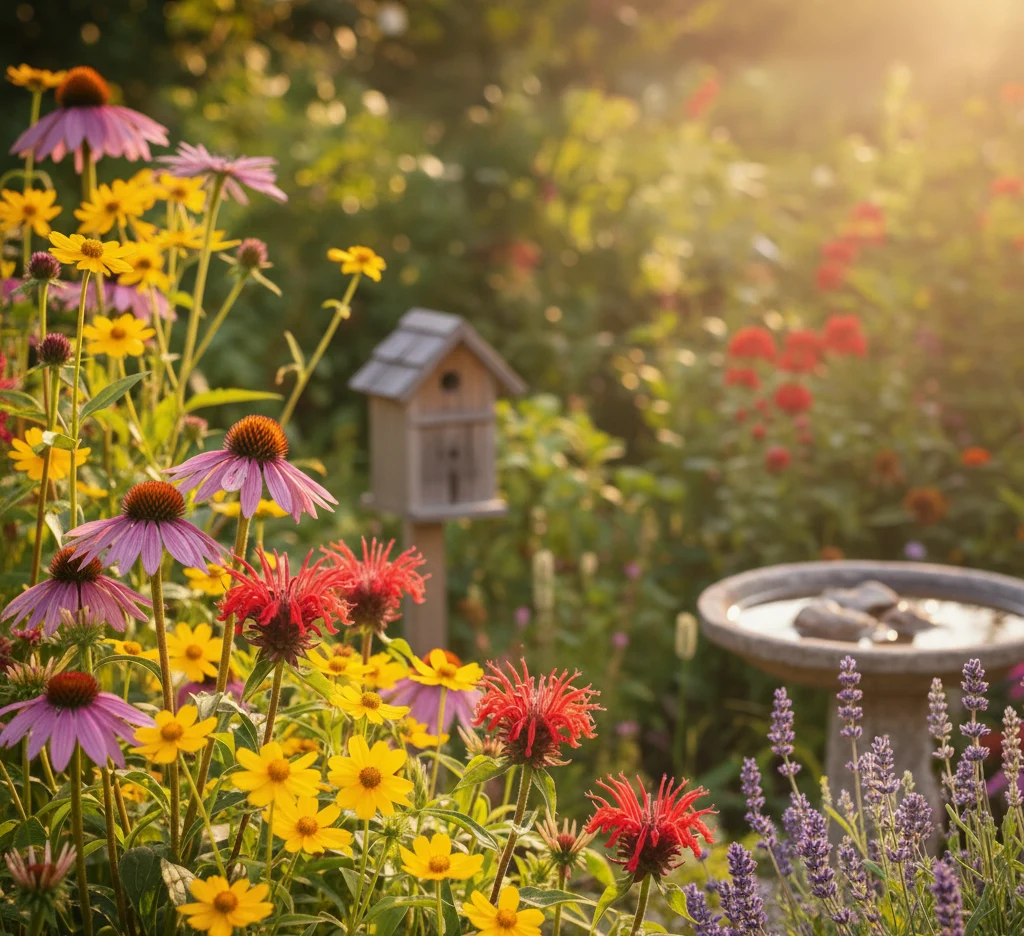
Bees and butterflies are super important for keeping our world healthy by helping plants grow. If you want to lend a hand to nature and see your garden thrive, think about planting flowers that these little guys love. Not only are you doing a great thing for the planet, but you also get to enjoy colourful flowers and lively garden visitors. Want to start your own pollinator garden? Here are some easy, budget-friendly tips to make your garden a paradise for bees and butterflies. It’s a win-win!
Choose Native Plants
Want to make your garden come alive with buzzing bees and butterflies? Start by picking the right plants. Native ones are the best because they fit right into the local scene and don’t need a lot of water or fuss. They’re cheap and good for the environment too. Picture your garden bursting with colours from early Cowslips, mid-season Foxgloves, and late-blooming Michaelmas Daisies. These flowers bloom at different times, giving bees and butterflies a treat all year long.
To really make your garden a pollinator paradise, think about adding other native favourites like Lavender, Primroses, and Bluebells. Plant them in groups so they’re easy for pollinators to find. Buying from local nurseries or community gardens helps local businesses and might save you some cash.
Native plants are super important for local wildlife, keeping ecosystems buzzing and boosting biodiversity. Spend a bit of time finding plants that thrive in your area and you’ll have a garden that’s easy on your wallet and great for the planet. It’s a simple way to make a big difference for your backyard and the environment.
Create a Diverse Planting Scheme
Having a bunch of different plants in your garden is key to turning it into a hangout spot for pollinators. It’s not just about looking pretty; it’s a smart way to attract a bunch of helpful insects. Mixing up flowers, herbs, and bushes will bring in bees, butterflies, and even some birds. Like, bees really dig lavender and rosemary, and butterflies go for marjoram and lilies.
Try planting in layers. Start with low plants like thyme, then go for medium herbs like oregano, and finish with taller stuff like lilac. This way, you make the most of your space and it looks amazing. Plus, with so many different plants, you won’t need as many chemicals to fight pests because the variety does the job naturally.
Switching up plant types every season keeps your garden buzzing with activity all year long. This mix not only helps pollinators but also boosts the local environment, making your garden a lively and awesome place.
Plant for All Seasons
Creating a garden that blooms all year keeps bees and butterflies happy. It’s like setting up a buffet for them that never closes.
Early-Season Blossoms
Think about Snowdrops and Crocuses poking through the cold winter soil. They’re basically the first treats for bees when not much else is around.
Mid-Season Blooms
When it gets warmer, Lavender and Foxglove pop up, and suddenly, it’s a buzz of activity. These flowers keep your garden lively and the bees busy during summer.
Late-Season Flowers
As autumn rolls in, Sedum and Asters make sure the nectar keeps flowing, so garden visitors don’t go hungry.
You might want to try using a planting calendar to plan when different flowers bloom. Perennials like Echinacea and Rudbeckia are great ’cause they come back every year, saving you both time and money. Pick plants that fit your local weather, and your garden will not only look amazing but also help out the local wildlife. With flowers blooming all the time, your garden will be a treat for the eyes and a favorite spot for pollinators.
Provide Water Sources
Water is crucial for our buzzing and fluttering friends, like bees and butterflies. It’s not just about quenching their thirst; they need it to cool down too. Imagine setting up a shallow dish filled with water and a few pebbles in your garden. Those pebbles are like stepping stones, ensuring our little visitors don’t take an unexpected swim. For a more lasting setup, consider a small pond or a birdbath. These features are magnets for all sorts of garden guests, from frogs to birds, turning your patch into a lively wildlife hangout.
Place these water spots where the sun shines the brightest, making them even more appealing. They’re a low-cost, low-maintenance way to spruce up your garden. By adding water, you’re not just helping pollinators; you’re creating a bustling hub of biodiversity. So, why not take a weekend to set up a water source? Your garden will become a haven for nature, buzzing and chirping with life.
Avoid Pesticides and Chemicals
Using pesticides might seem like an easy way to deal with garden pests, but they can really harm the bees and butterflies you want around. Why not try going natural? Planting certain flowers like marigolds and nasturtiums can keep pests away while attracting pollinators. You can also use natural stuff like neem oil or garlic spray, which work well and are safer. Keeping your soil healthy with compost and manure means you won’t need as many chemical fertilizers, which is great for your plants. Plus, adding good bugs like ladybirds and lacewings can help manage pests like aphids. A garden without pesticides isn’t just better for bees and butterflies; it boosts biodiversity and makes your garden lively and beautiful. Going pesticide-free is a win-win for your garden and the planet!
Create Shelter and Nesting Areas
To help bees and butterflies hang out in your garden, you need to give them a nice place to stay. Let some of your garden grow wild or plant thick bushes—bees love nesting there. You could also set up bee hotels or use hollow stems for bees that like to live alone. Butterflies will appreciate flat rocks in sunny spots to chill and soak up the sun. Try using recycled stuff for these shelters; it’s cheaper and good for the planet. By making your garden a friendly spot, you’ll keep these little guys around more often. Plus, a garden buzzing with bees and butterflies not only helps them out but looks pretty cool, too!
Incorporate Sunlight and Wind Protection
To get more bees and butterflies in your garden, make sure it gets lots of sunlight and is shielded from the wind. Pop those flowering plants in sunny spots because these little critters love the warmth. Sunlight gives them a good energy boost, so they’ll hang around more in a bright garden. Try using hedges or tall plants like sunflowers and delphiniums to block the wind. These not only keep your garden peaceful for bees and butterflies but also help them save energy, so they’re more likely to come back. Plus, windbreaks protect your plants from bad weather, keeping them looking nice and healthy. Sunlight’s super important for plants to grow and bloom well, keeping those pollinators interested. By thinking about where the sun shines and keeping the wind at bay, you can create a lively garden that’s great for both plants and pollinators.
Conclusion
Thinking about making a garden that’s a safe haven for bees and butterflies, it’s clear this can be really fun and totally doable. Using plants that naturally grow in your area, adding some water and shelter, and avoiding nasty chemicals are super important steps. These tips not only help the environment but also save you time and cash. If you follow these, your garden will become a buzzing, colourful spot, helping out nature and making the world a better place for the future.