
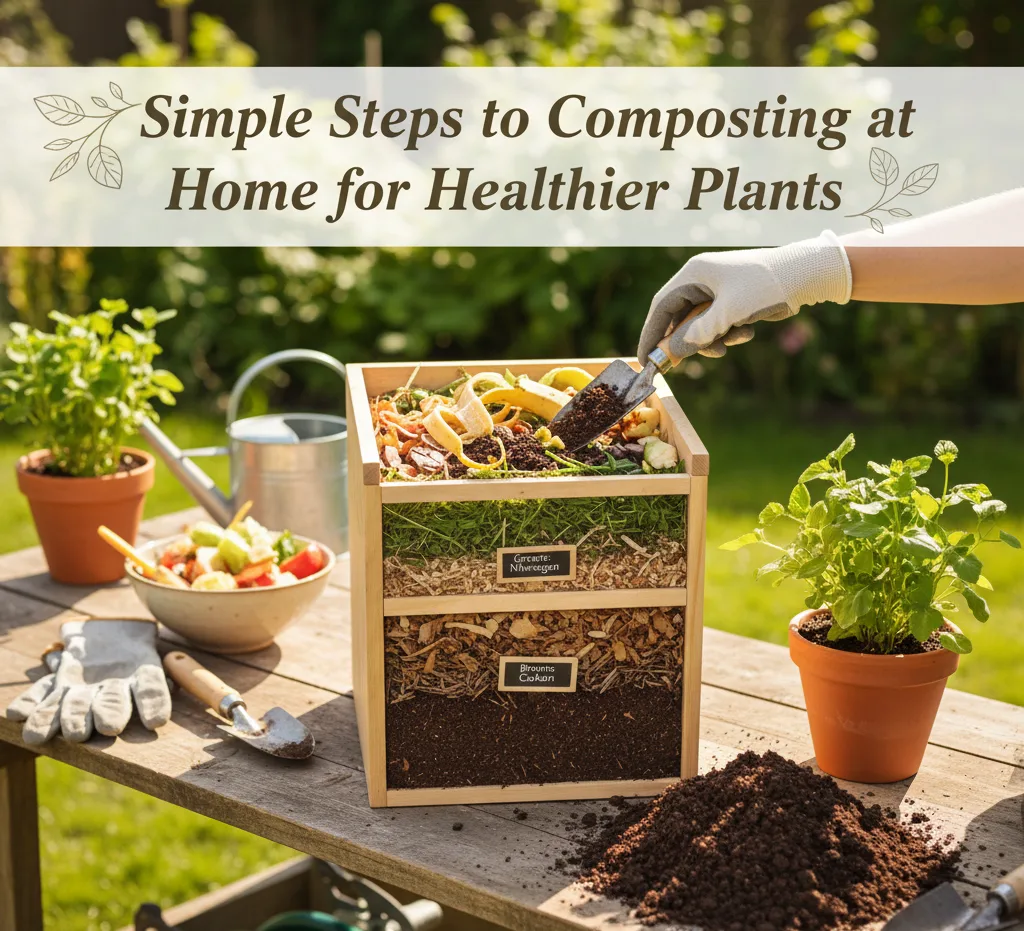
Composting’s all about turning stuff like kitchen bits and garden clippings into awesome soil. It’s like nature’s way of recycling and makes your plants way healthier by adding loads of good stuff to the soil. Plus, it cuts down on what we throw in landfills, so it’s a win for the planet too. If you start composting, you can make your own natural fertilizer, which means your plants will look bigger and brighter. It’s great for the environment because it means using fewer chemical fertilizers and helps keep nature in balance. Give composting a go to boost your garden and do something good for Earth.
Materials Needed for Composting
Composting at home is all about mixing green and brown stuff the right way. Green bits, like fruit and veg scraps, coffee grounds, and grass clippings, are full of nitrogen and help things break down faster. Brown bits, like dried leaves, cardboard, and little twigs, have lots of carbon. Getting the balance right stops your compost from smelling or attracting pests.
You can add stuff from around the house, too. Keep kitchen scraps like apple cores, potato peels, and used tea bags. Grab brown stuff like shredded newspaper or egg cartons. To keep it simple, have a small bin under the sink for greens and a paper bag in a dry spot for browns. Get your family in on it, make it a routine, and soon composting will be a normal thing at home. Start collecting now and see your waste turn into garden gold!
Composting Methods
Composting at home is pretty flexible and can fit your space and needs. If you don’t have much room outside, bin composting is a neat idea. Just grab a plastic or wooden bin to keep things tidy. Make sure it’s got holes so air can get in. But heads up, it might not hold loads of waste, especially if you’ve got a big family.
Got a big garden? Try pile composting. It’s super easy—just pile up your compost stuff and turn it now and then with a fork or spade to let air in. It can handle more waste but needs more space and a bit of elbow grease.
Want to compost inside? Check out vermicomposting. This uses worms to turn waste into compost. Keep things damp for the worms, avoid acidic foods, and if it’s outside, place it in the shade. Each method has its perks, so pick what fits your life and space best.
The Importance of Aeration and Moisture
To get your compost just right, make sure it’s got enough air and the right amount of moisture. Good airflow helps tiny microbes break stuff down quickly. So, every couple of weeks, grab a garden fork or a compost aerator and give the pile a good mix. This speeds things up and stops bad smells by keeping nasty bacteria away.
You’ve also got to watch the moisture. Think of it like a damp cloth—not too dry, not too soggy. If it’s drying out, sprinkle some water while you mix. If it’s getting too wet, toss in some dry bits like shredded paper or old leaves. Keep an eye on these things and you’ll have rich, awesome soil in no time!
Common Composting Mistakes and How to Avoid Them
Composting works great, but sometimes you might hit a few bumps. If it starts to smell funky, it usually means the mix is off. Just add some dry leaves or shredded cardboard to soak up extra moisture and get things back on track.
Pests like rodents or flies can be a pain if you toss in meat, dairy, or oily stuff. So, just stick to plant bits and cover them with soil or some dry materials to keep those critters away.
If your compost seems to be breaking down slowly, it might need more air or nitrogen. Give it a good turn now and then and make sure it’s got enough green stuff. If it’s taking its sweet time, hang in there. Composting is all about patience, but tweak it a bit and keep an eye on it, and you’ll end up with some awesome compost for your garden.
Recognising and Using Ready Compost
Waiting for compost to be ready takes some patience, but it’s worth it when your garden gets a boost. Composting usually takes two to six months, depending on things like temperature, how wet it is, and what you’ve put in. You’ll know it’s ready when it looks dark and crumbly, smells like fresh earth, and there aren’t any bits of food left.
Once it’s ready, you’ll need to store it right. Keep it in airtight containers or strong bags so it doesn’t dry out or get messed up. Make sure it’s in a cool, dry spot, away from the sun, to keep it full of nutrients. When you’re ready to use it, you can sprinkle it on plants, mix it with potting soil, or spread it as mulch. Even a little bit can make your plants grow better and stay healthier, naturally.
Using Compost in Gardening
Compost is like a trusty sidekick for your garden. Imagine your tired plants perking up as if they’ve had a good night’s sleep. That’s the magic of compost. It enriches the soil, whether you’re dealing with stubborn clay or flimsy sand. Just sprinkle about an inch across your garden and mix it into the top layer of soil when you’re planting. Your plants will love you for it.
Now, let’s talk mulch. Compost isn’t just good for the soil; it’s brilliant as a mulch too. Spread a couple of inches around your plants, and watch it work its magic. It keeps the soil nice and damp, stops those pesky weeds, and keeps the temperature just right. You’ll find yourself using less water, and you can skip the harsh chemicals, which is a win for Mother Earth.
And if you’ve got potted plants, compost is their best mate. Mix it in with some potting soil, and your plants will thrive. The combo boosts drainage and dishes out extra nutrients, making your potted pals grow like champs. Plus, by using compost, you’re recycling waste and doing your bit for the planet.
So, why not give compost a go? Your garden will thank you, and you’ll be doing a little something for the environment, too.
Conclusion
Composting’s a pretty cool way to help the environment while boosting your plants. By turning kitchen bits and garden waste into rich soil, you’re giving plants the good stuff they need to grow strong. Plus, you cut down on trash and make the soil even better for growing.
To start, all you need to do is gather up your green waste like fruit and veggie scraps, and mix them with brown stuff like dried leaves or shredded cardboard. Pick a composting style that works for you—whether it’s a bin, a pile, or even using worms. Just make sure to keep it airy and damp by turning it now and then.
Give composting a go—it’s a great habit that’s easy and benefits both your garden and the planet. Start now and see your garden get healthier, while you do your bit for the Earth. It’s all about giving back while enjoying a lush, lively garden.